


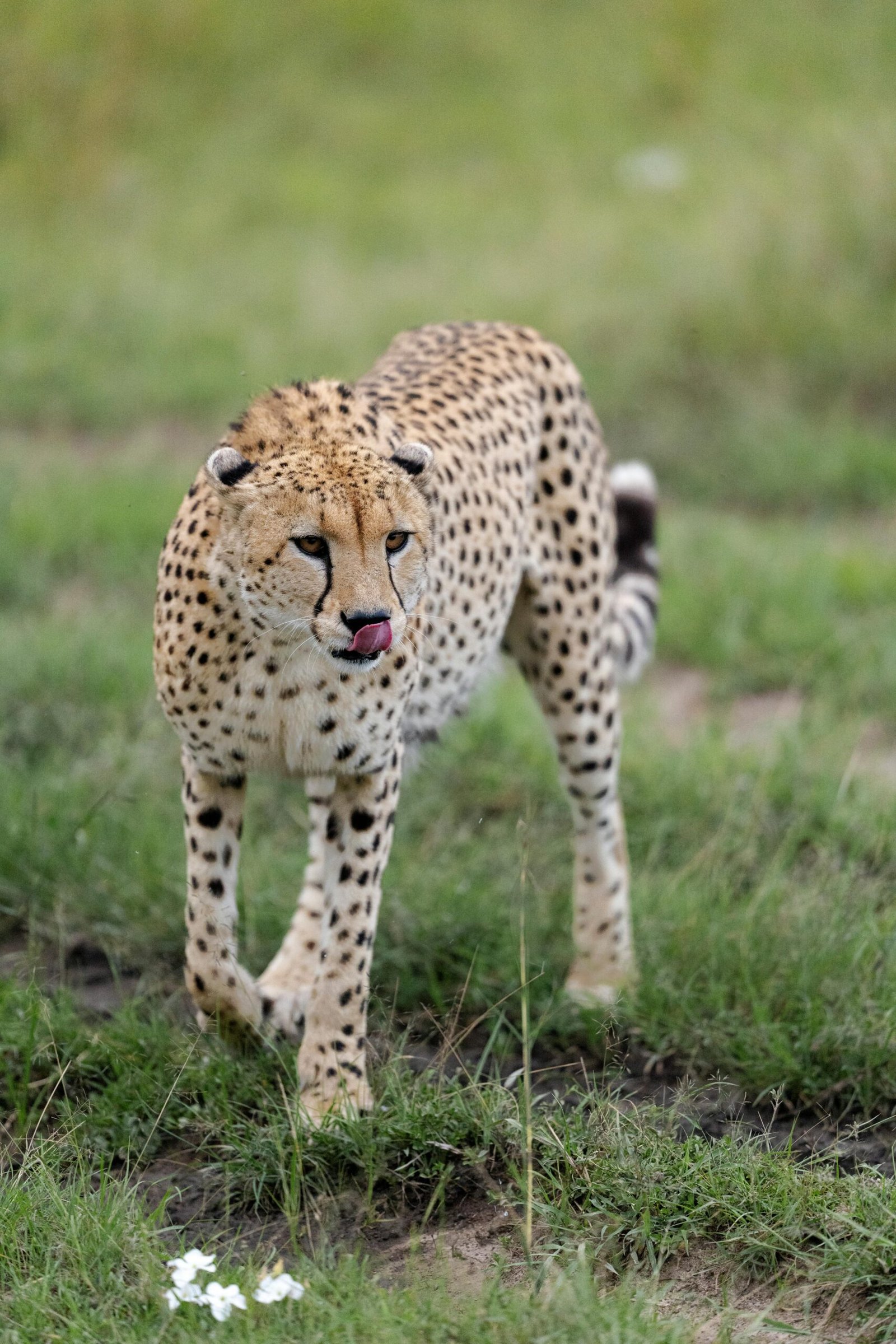
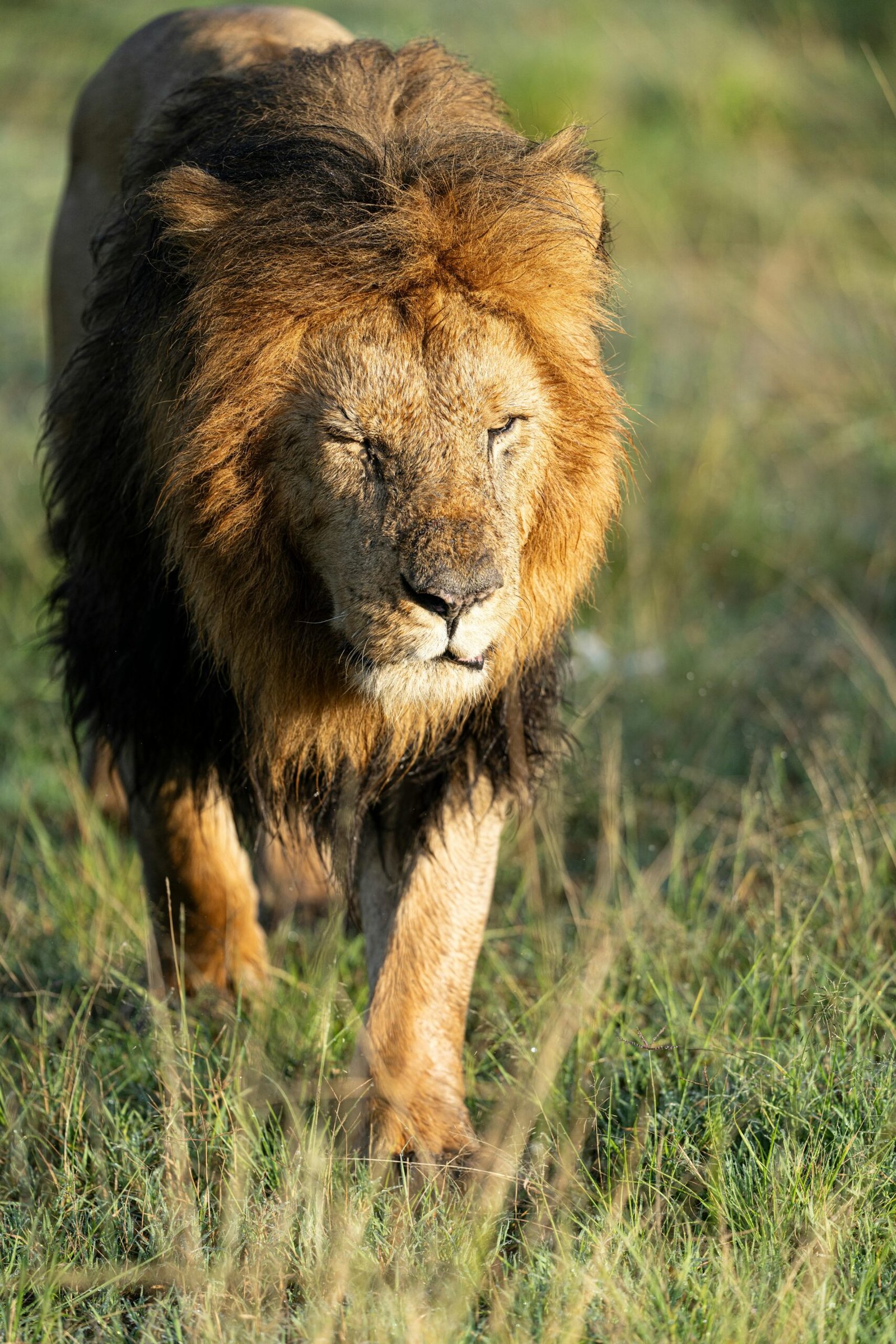
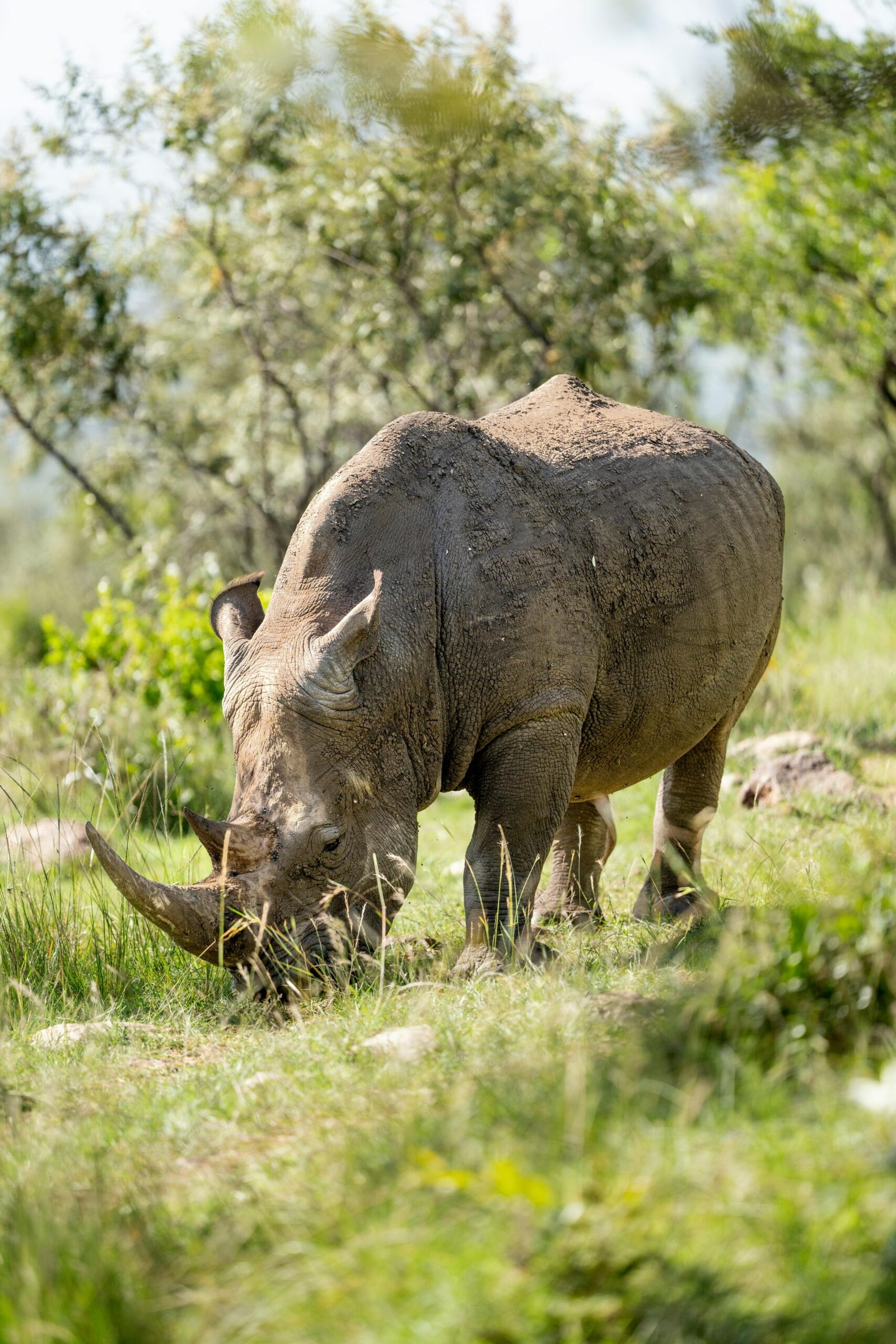
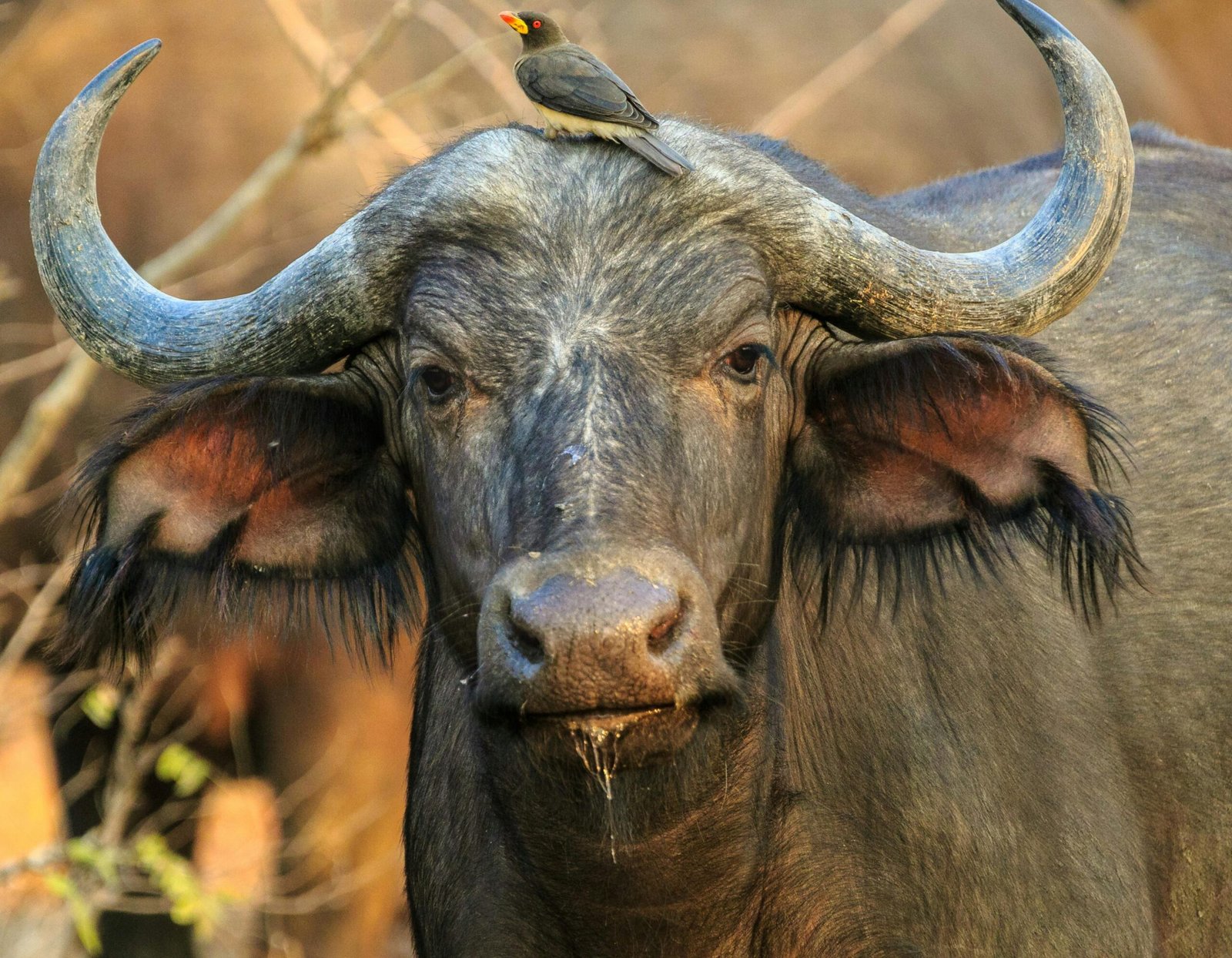



Embarking on an African safari is an exhilarating experience, immersing you in the captivating beauty of nature and wildlife. However, as a first-timer, understanding the A First-Timer’s Guide to African Safari Etiquette is essential to enhance your adventure while ensuring the safety and preservation of the environment and its inhabitants. This comprehensive guide will walk you through the key aspects of safari etiquette, including appropriate dress codes, respectful interactions with wildlife and local communities, photography tips, and safety protocols to help you navigate this once-in-a-lifetime journey with confidence.

Key Takeaways
- Understanding safari etiquette enhances your overall experience.
- Dress appropriately for both comfort and respect in the safari environment.
- Always prioritize respect for wildlife to ensure their protection and your safety.
- Engage thoughtfully with local communities to foster positive interactions.
- Practice responsible photography to honor both the environment and the subjects you capture.
Understanding the Basics of Safari Etiquette
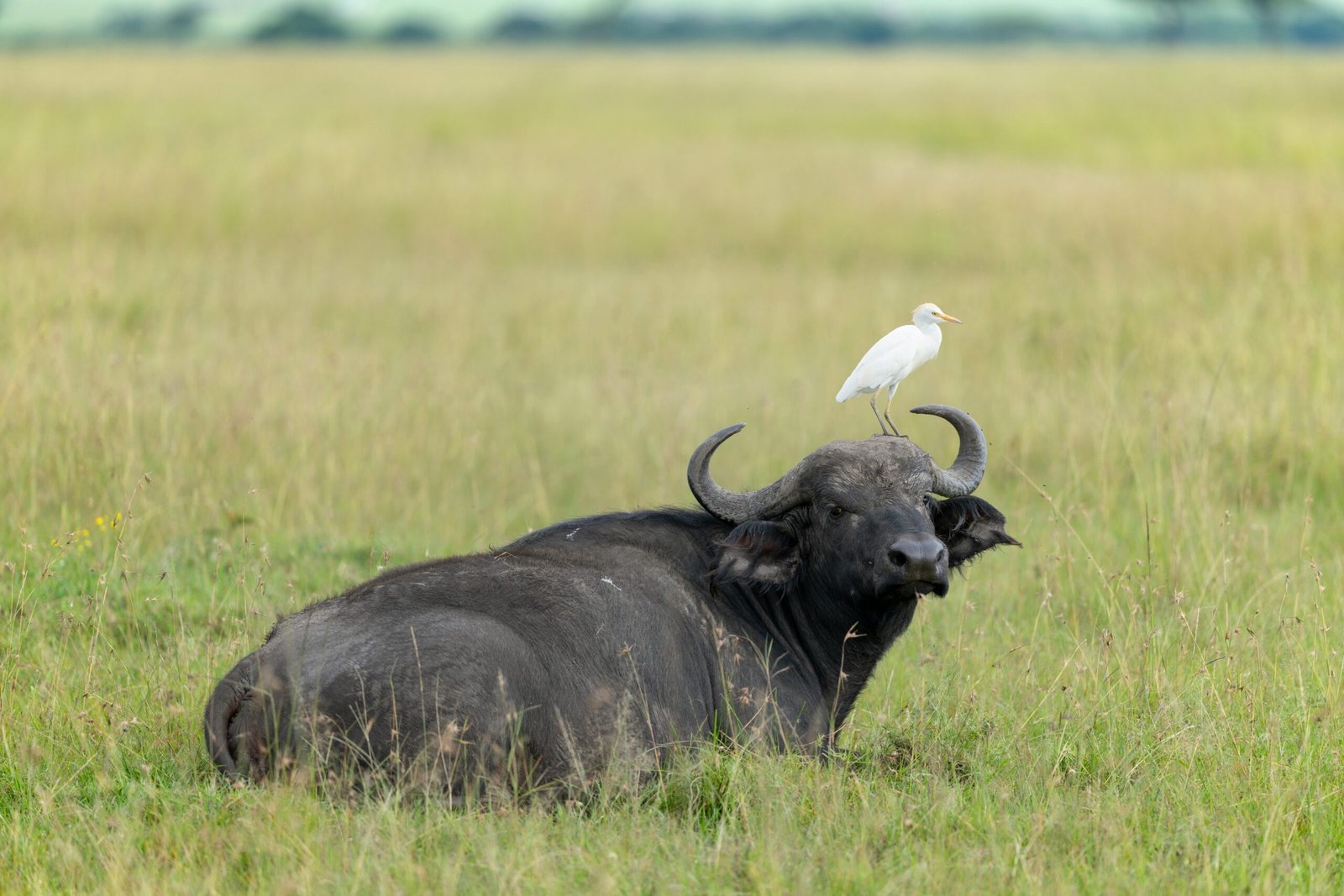
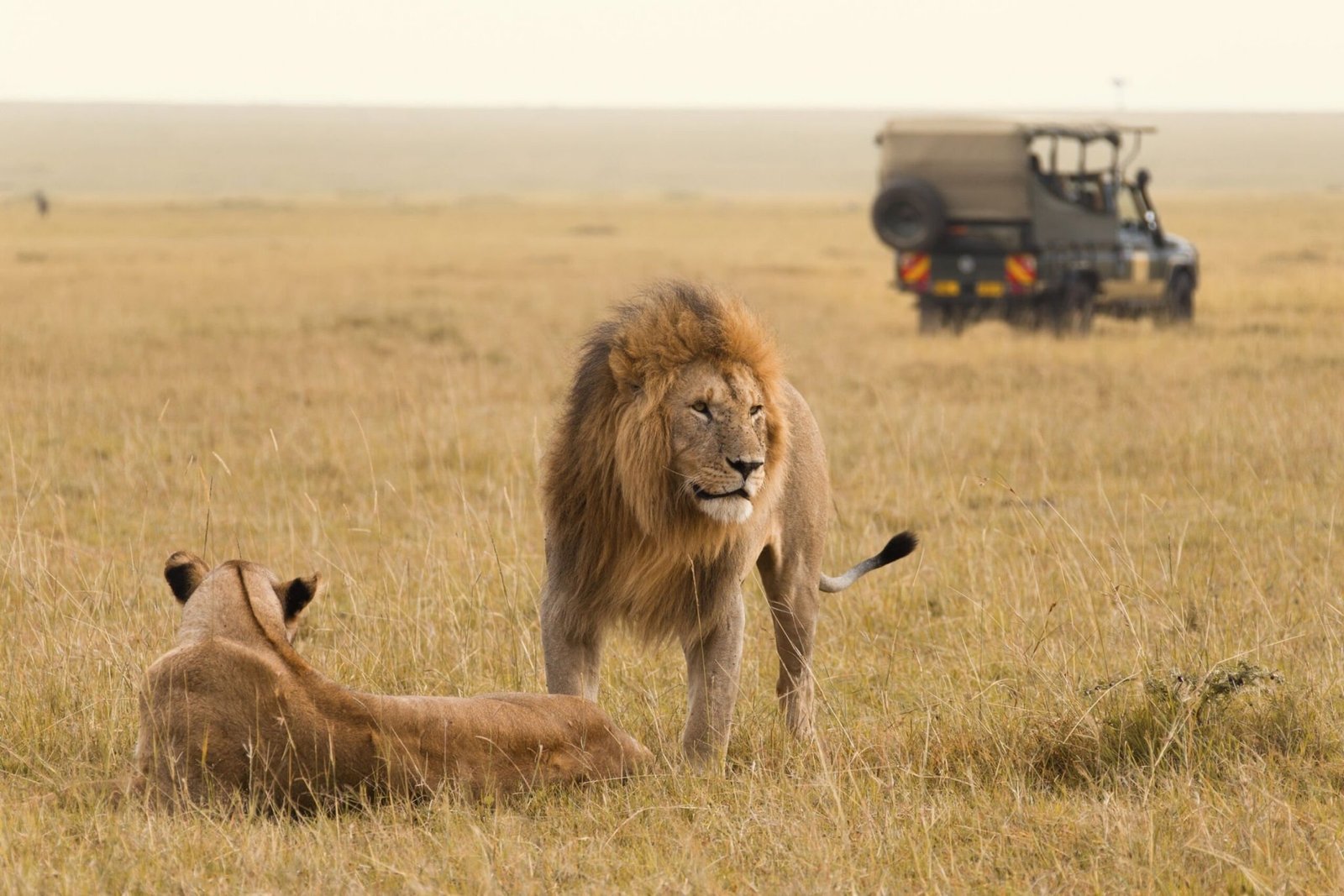
When embarking on the adventure of a lifetime, it’s essential to familiarize yourself with the necessary rules and customs to ensure an enjoyable experience for yourself and the wildlife in their natural habitat. In this A First-Timer’s Guide to African Safari Etiquette, we’ll explore various fundamental practices that every first-time safari-goer should adhere to. First and foremost, always maintain a respectful distance from the animals. Wildlife encounters can be thrilling, but it’s crucial to remember that these are not zoo animals; they should be treated with respect and caution. Keep your voices low, avoid sudden movements, and never attempt to feed or engage with the wildlife, as this can disrupt their natural behaviors. Additionally, be sure to follow the instructions of your guide, who is trained to keep both guests and animals safe. Understanding the basics of safari etiquette will enhance your experience and ensure that you leave nothing but footprints in the African wilderness.
Dress Code: What to Wear on Safari
When embarking on an African safari, understanding the dress code is a crucial part of ensuring both comfort and safety during your adventure. A first-timer’s guide to African safari etiquette highlights the importance of blending in with the surroundings while also dressing for the climate. Opt for lightweight, breathable fabrics in neutral colors like khaki, beige, and olive green to avoid startling wildlife. Avoid bright colors and patterns, which can draw unnecessary attention from animals. Sturdy walking shoes, a wide-brimmed hat, and sunglasses are also essential to protect yourself from the sun. Layers are key as temperatures can fluctuate throughout the day. Remember, all your choices contribute to a respectful safari experience that honors both the environment and its inhabitants.
‘The greatest legacy we can leave our children is happy memories. And the best way to create memories is by experiencing the beauty of nature respectfully.’ – Unknown

Respect for Wildlife: Do’s and Don’ts
When embarking on your first African safari, understanding the basic etiquette is crucial to ensuring a respectful and enjoyable experience for both wildlife and fellow travelers. In this A First-Timer’s Guide to African Safari Etiquette, it’s important to embrace the do’s and don’ts that promote wildlife conservation and safety. Do maintain a safe distance from all animals, allowing them to exhibit their natural behaviors without interruption. This not only protects you but also minimizes stress on the wildlife. Don’t feed or provoke animals; this can alter their natural instincts and lead to dangerous interactions. Additionally, always abide by your guide’s instructions—relying on their expertise not only enhances your understanding of the ecosystem but also ensures collective safety. Respect designated viewing areas and refrain from using flash photography, as these practices can disturb animals and disrupt their habitats. Following these guidelines ensures that your safari experience is both rewarding and respectful, allowing you to connect with Africa’s incredible wildlife while protecting it for future generations.
Interacting with Local Communities
When embarking on the adventure of a lifetime with a first-timer’s guide to African safari etiquette, one crucial aspect often overlooked is how to interact with local communities. Respecting local cultures not only enhances your experience but also fosters goodwill and supports sustainable tourism. Before you set off on your safari, take some time to learn about the customs and traditions of the people residing near the parks and reserves you plan to visit. For instance, greet local villagers with a smile and a polite hello in their language; this small gesture can go a long way in establishing rapport. Furthermore, seek permission before taking photos, especially in more traditional communities—this shows respect for their privacy and customs. Engaging with local artisans by purchasing handmade crafts can also create a positive exchange and provide support to the community. In summary, being mindful of the local culture is a vital part of your safari experience and aligns perfectly with the principles of responsible travel. Armed with your first-timer’s guide to African safari etiquette, you’re not just an observer but an appreciative participant in the vibrant tapestry of African life.

Photography Etiquette: Capturing the Moment Respectfully
Embarking on an African safari is an exhilarating adventure filled with breathtaking landscapes and magnificent wildlife. However, understanding the nuances of A First-Timer’s Guide to African Safari Etiquette is essential for both the success of your photography and the preservation of these natural wonders. Respecting the wildlife and the environment while capturing stunning images ensures that your experience is both enjoyable and ethically sound. Always maintain a safe distance from animals, use zoom lenses to capture close-up shots without intruding on their space, and avoid flash photography, which can startle shy creatures. Moreover, familiarize yourself with the specific rules of the park or reserve you are visiting, as these guidelines help protect the habitats and ensure that future generations can relish the same thrilling encounters. By adhering to these etiquette principles, you not only enhance your safari photography but also contribute to a more sustainable and respectful interaction with the incredible biodiversity of Africa.
Minimizing Your Environmental Impact
When planning your adventure, A First-Timer’s Guide to African Safari Etiquette is essential for ensuring that your experience is respectful and environmentally sustainable. Start by understanding the significance of wildlife conservation in Africa, as your actions can greatly impact the local ecosystem. It’s important to follow the guidelines set by your safari tour operators, such as the necessity of staying in your vehicle during game drives to minimize disturbances to wildlife. Additionally, practicing responsible photography by avoiding flash and keeping a respectful distance from animals not only protects their habitat but also enhances your viewing experience. Pack out what you pack in; this means disposing of any waste properly, as litter can have dire consequences for the wildlife and their habitat. Lastly, embrace the local customs and traditions, showing respect towards the communities living alongside these incredible natural landscapes. By adhering to these principles outlined in A First-Timer’s Guide to African Safari Etiquette, you can help preserve the pristine beauty of Africa while enjoying a memorable experience.

Safety Tips and Emergency Protocols
Embarking on an African safari is an exhilarating experience, but it’s crucial to prioritize safety and be aware of emergency protocols, alongside mastering A First-Timer’s Guide to African Safari Etiquette. Always travel with a reputable tour guide who is familiar with the wildlife and terrain. Ensure you stay within the vehicle when observing animals, as stepping out can provoke them. Additionally, it’s wise to keep your windows closed to avoid attracting unwanted attention from curious creatures. Familiarize yourself with the emergency procedures outlined by your tour provider, which may include how to react if you encounter dangerous wildlife or if a vehicle breaks down in the bush. Always have your mobile phone charged and consider a portable charger, as cellular reception can be spotty in remote areas. Understanding the dos and don’ts of safari etiquette not only enhances your experience but also contributes to the safety of your group and respect for the habitat around you.
Frequently Asked Questions
What should I wear on a safari?
It’s recommended to wear neutral-colored, lightweight clothing that blends into the environment, such as khaki, olive, or beige. Avoid bright colors and patterns that could disturb wildlife.
What are the do’s and don’ts when it comes to respecting wildlife?
Do keep a safe distance from animals and refrain from making loud noises. Don’t feed or provoke wildlife, as this can alter their natural behavior and put you at risk.
How should I engage with local communities during my safari?
Approach interactions with respect and openness. Always ask for permission before taking photos of people and support local artisans by purchasing crafts directly.
What photography etiquette should I follow while on safari?
Be mindful of your surroundings and avoid using flash photography, as it can startle animals. Be patient and discreet to capture moments without disturbing wildlife.
What safety tips should I follow while on safari?
Always follow the guidelines provided by your guide. Remain in the vehicle unless instructed otherwise, and stay alert for potential hazards, both from wildlife and the environment.